


Laboratory Testing
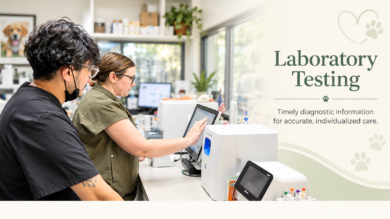 Sunnycrest Animal Care Center uses both in-house laboratory equipment and IDEXX reference laboratories to provide a wide range of diagnostic testing and timely results.
Many routine in-house tests can be completed quickly, while tests sent to IDEXX are often available within one working day. Specialized testing such as cultures, biopsies, and some send-out tests may take longer.
We make extensive use of IDEXX reference laboratories because they provide rigorous quality-control procedures and access to veterinary pathologists, internists, and other specialists when consultation is needed.
Why laboratory testing matters
Physical examination tells us a great deal, but many medical problems begin before there are obvious outward signs. Laboratory testing can help us evaluate organ function, identify infection or inflammation, monitor chronic disease, and establish healthy baseline values for future comparison.
When results are abnormal, they can also help us decide whether additional testing, treatment, or monitoring is needed.
Common laboratory tests we may recommend include:
- Fecal examinations – Intestinal parasites are common in pets and may cause diarrhea, weight loss, vomiting, or other problems. Some parasites carried by pets and wildlife can also infect people. Fecal testing helps us identify parasites so appropriate treatment can be recommended.
- Heartworm testing – Heartworms are transmitted by mosquitoes and can cause serious, potentially fatal heart and lung disease. Testing allows infection to be detected before advanced disease develops. We also recommend discussing appropriate heartworm prevention, particularly for pets that travel outside our immediate area.
- Feline Leukemia Virus (FeLV) testing – FeLV can be transmitted between cats through close contact and from an infected mother to her kittens. Testing is especially important for newly acquired cats and cats with potential exposure to other cats.
- Feline Immunodeficiency Virus (FIV) testing – FIV is transmitted primarily through bite wounds and can also be passed from an infected mother to her kittens. Testing helps identify infected cats so their health can be monitored and managed appropriately.
- Pre-anesthetic testing – Blood and urine testing before anesthesia can reveal medical problems that may not be apparent on physical examination and can help us tailor the anesthetic plan to the individual patient.
- Wellness and senior screening – Blood and urine testing may help identify changes in organ function or other health concerns before obvious signs of illness develop. The type and frequency of testing are based on your pet’s age, health history, medications, and individual risk factors.
Laboratory testing is selected according to the needs of each patient. Your veterinarian will discuss which tests are appropriate and explain the results and any recommended follow-up.
